LESBIAN LINES (CARA HOLMES, 2026)
Every year at Docs Ireland we are reminded of the power of the doc, specifically, the Irish doc, to give a voice to the voiceless, to bring a newfound awareness to something previously swept under the rug. Here, is no different, and in fact, Lesbian Lines, completely reinforces how important it is to platform and champion these films.
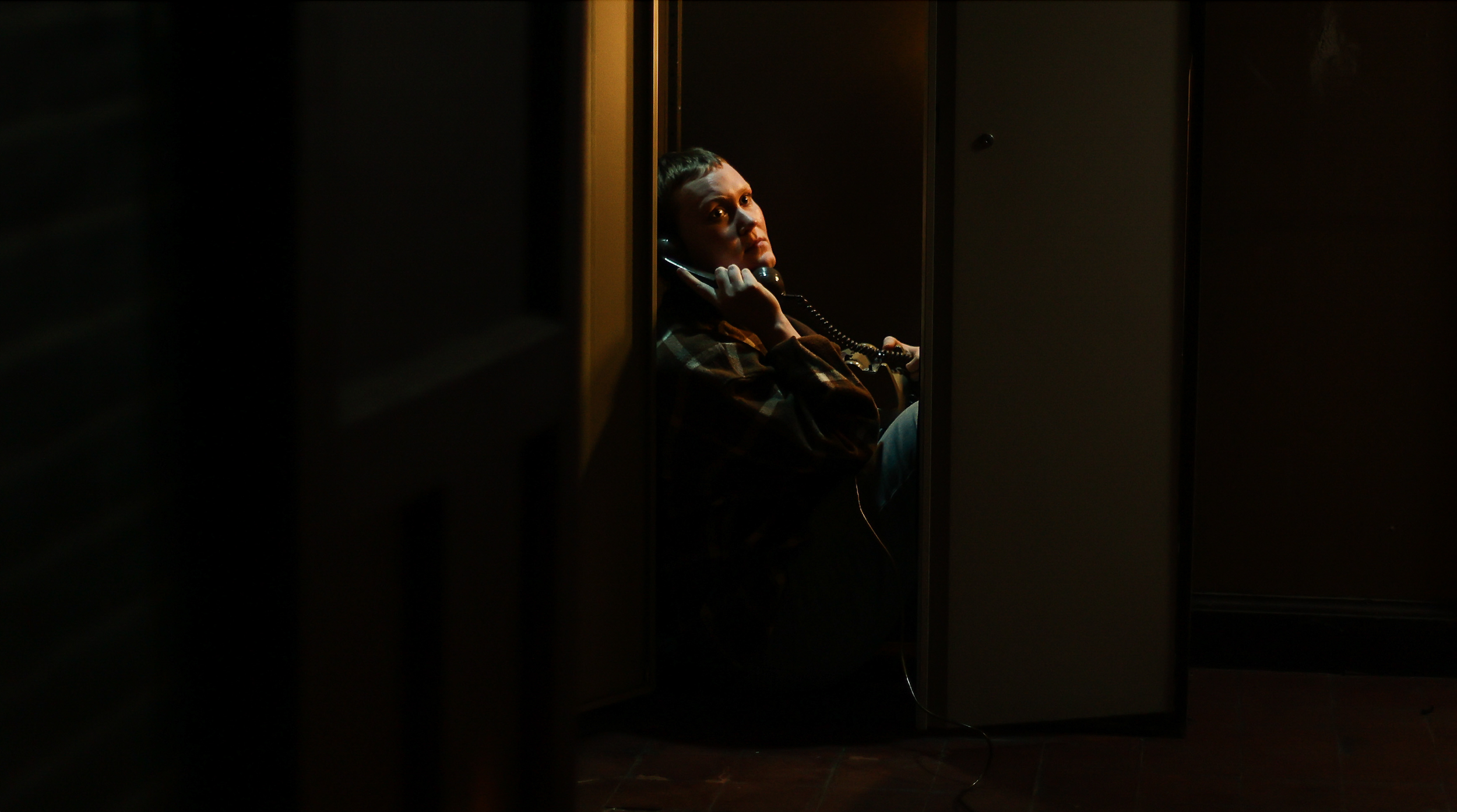
A still from the film.
Lesbian Lines reveals an untold history of resistance, of community, of bravery, in a sheltered, patriarchal, devoutly religious society, namely, Ireland in the 80s. Across Ireland, a small group of lesbians created a lifeline for women who had nobody else to turn to, and over time, this small group grew into a network stretching from Belfast to Cork to Galway to beyond. An anonymous lesbian help line, at a time when a woman could be married with children and have never spoken to another lesbian. These calls saved lives, and forever helped bring Ireland slightly further into the modern world. These women stood up not just for queer rights, but the rights for all women, all oppressed people in Ireland at that time, and in doing so, formed their own powerful community. They made friends for life, they fell in love, they had each other.
While this film could be devastatingly heart-breaking, it chooses not to be. It chooses to be uplifting, to focus on the positive, because the story is positive. Who knows where we would be had these women not stood up for themselves and others? Weaving through the story with powerful, nostalgic anecdotes from the women themselves, and highly stylised recreations, the film manages to utilise the traditional documentary format in its own unique way.
Ever since The Thin Blue Line, documentaries have been striving to feature the best, most realistic, most captivating recreations, and all too many of them completely fall flat on their face. Thankfully, this is not the case here. Scattered sporadically, the recreations don’t take over from the stories from the women, but rather, they breathe new life into the stories, placing the audience there. Pushing the bounds of tradition further, this film has its recreation actresses meet the real women at the end, once again highlighting the importance of what these women did, and of community, but mainly, how far we all have come thanks to these women.
Written, directed and edited by Cara Holmes, there is such a clear vision here that works perfectly with the subject. Beyond the importance and how well the story is told, this film, simply put, is strikingly beautiful. Sharp cinematography and a mesmerising score, reminds us just how far the documentary can go. There is no reason for boring talking heads against a white wall, and this film knows that. This film pushes that. For us, that’s all we can ever dream of.
No one is more deserving of a documentary than these women, than this story, and they definitely deserve this perfectly aestheticised telling. SEE THIS MOVIE!
